Sump Pump Installations in Charlestown Township, PA
DMR Waterproofing: Reliable Sump Pump Installation Services in Charlestown Township, PA
DMR Waterproofing provides dependable sump pump installation for homeowners in Charlestown Township, PA who want stronger basement flood prevention and long-term basement moisture control. Sump pumps are essential for homes prone to excess moisture or basement flooding, and installing a sump pump is a proactive step in protecting your home from water damage. Their team installs systems designed to collect water efficiently and move it away from the home before it can create bigger problems. Before starting the installation, DMR Waterproofing ensures all essential tools and materials are gathered, including a sump pump, PVC pipes, a check valve, and a sump basin, as having the right materials is crucial for a successful install. A well-planned sump pump system installation can be a key part of basement water management solutions, especially in homes dealing with seepage near the floor, wall seams, or cove areas. DMR Waterproofing evaluates the best location for the pump so the system works effectively with the layout of the basement—a well-placed sump pump can be your first line of defense against flooding and helps keep the basement dry. They also focus on proper discharge pipe installation so water is directed away from the foundation instead of recycling back toward the home. This approach supports basement leak prevention and helps protect finished and unfinished lower levels from unnecessary moisture and flooding. For homes that need basement sump pump installation as part of a larger protection plan, DMR Waterproofing builds solutions around the actual conditions in the space. Sump pumps help protect your home from water damage and basement flooding. Their experience with water damage prevention systems makes them a reliable waterproofing contractor for homeowners who want lasting protection.

Comprehensive Sump Pump Installation by DMR Waterproofing
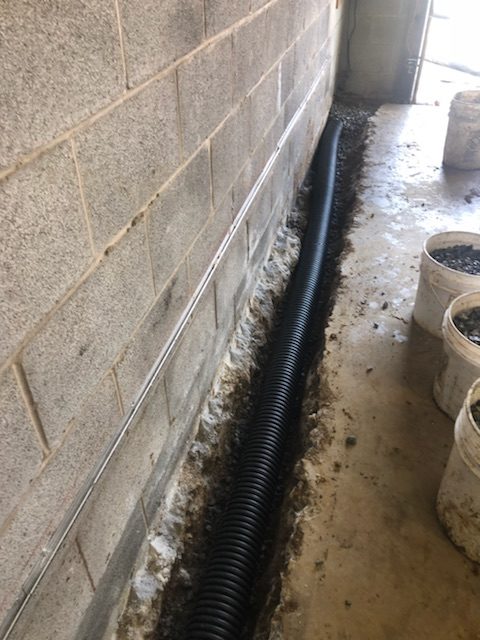
A complete basement sump pump installation often involves more than just placing a pump in the corner of the basement. DMR Waterproofing looks at how water enters the home and how the system should respond to keep the area dry and protected. Their process may include breaking through the concrete floor using a jackhammer or spade bit, then digging a hole of the correct diameter—at least 18 inches—and about 2 feet deep to accommodate the sump basin. A layer of gravel is placed at the bottom of the pit to support drainage, and the sump basin is set to rest level on the surface. Any gaps around the basin are filled with concrete to ensure stability and create a level surface. After the basin is in place, the sump pump is installed inside and connected to the discharge line using PVC pipe. A drill with a hole saw is used to create an opening through the rim joist for the discharge line, which is then sealed around the pipe with exterior-grade caulk to prevent water intrusion. The discharge line is routed away from the home’s foundation, ensuring water flows at least 10 feet away so it does not saturate the soil near the ground. Understanding how water flows through soil and ground conditions is important for effective sump pump placement and drainage.
Additional Waterproofing Solutions by DMR
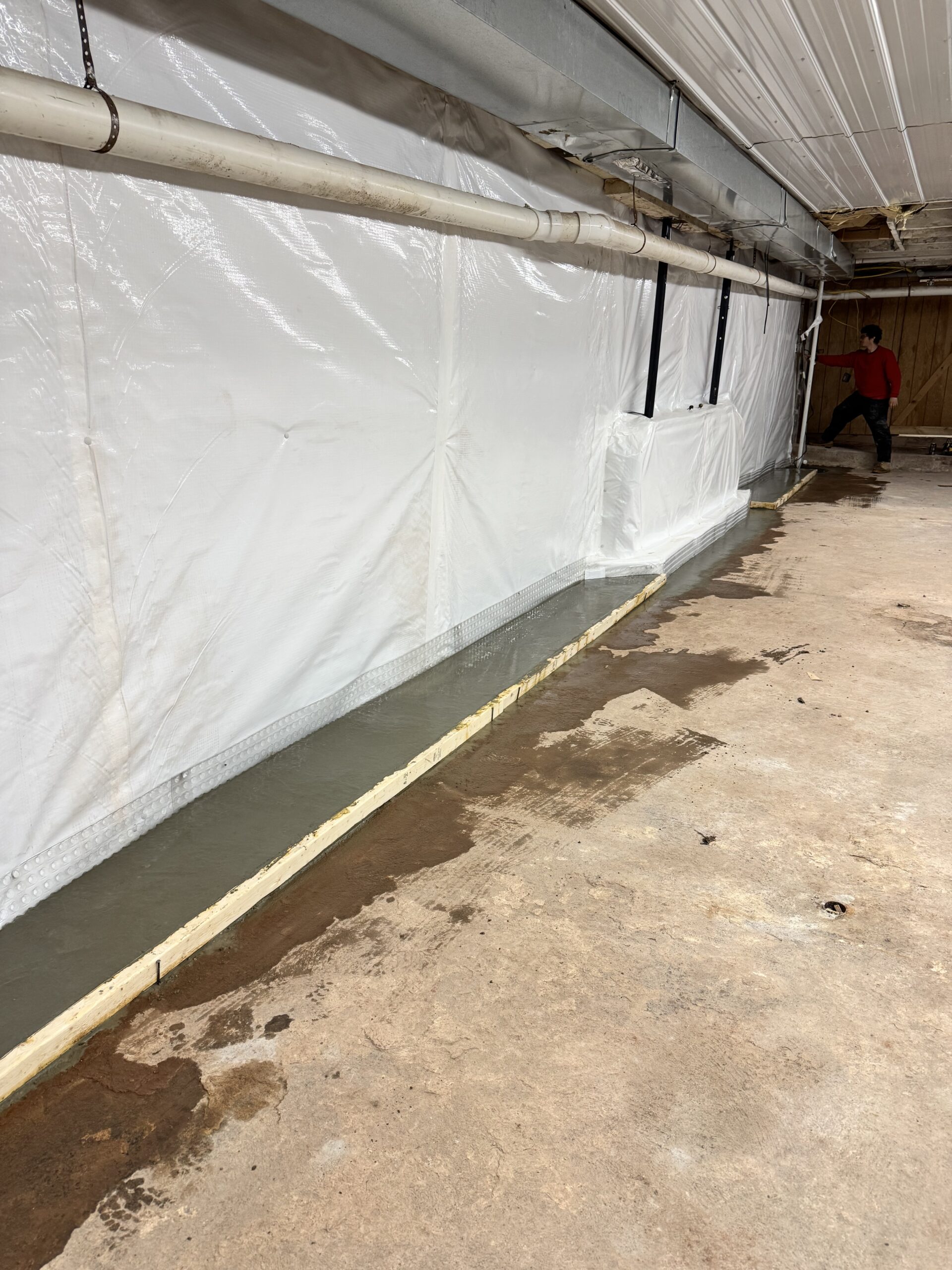
DMR Waterproofing also offers a full range of basement waterproofing services that can strengthen the performance of a new sump pump system. Their interior basement waterproofing solutions are often used to manage leaks coming through walls, floor seams, and other vulnerable points in the basement. These services can be paired with foundation waterproofing services to help reduce water intrusion and improve overall basement leak prevention. The company also provides crawl space waterproofing and encapsulation support for homes dealing with humidity, poor ventilation, and damp conditions below the main living area. When needed, DMR Waterproofing can recommend basement sealing services that help support a cleaner, drier space. Their exterior drainage work can also improve how water moves around the property, which adds another layer of protection to basement water management solutions. Proper sump pump installation is only part of the job—ongoing maintenance is essential to ensure your system works when you need it most. Homeowners should regularly maintain their sump pump by testing it, checking the float mechanism, and adjusting the float to ensure the pump activates and deactivates at the correct water levels. Always plug the sump pump into a GFCI outlet and make sure it is close to a reliable energy source to guarantee effective operation, especially during storms. Installing a check valve on the discharge pipe is crucial to fix backflow issues and prevent water from returning to the sump pit. Battery backup systems are crucial for continued operation during power outages, and an alarm system can alert you if the water level rises too high or if the pump fails.